Basement Soundproofing in Boulder, CO
Basement soundproofing services focus on reducing noise transfer between the lower level of a home and the upper floors or neighboring spaces. This type of project typically involves installing sound barriers, insulation, or specialized drywall to minimize sound vibrations and improve overall quietness within the home. Homeowners often pursue basement soundproofing to create a more comfortable living environment, especially if the basement is used as a media room, home office, or recreational space where noise can be disruptive.
Before requesting basement soundproofing, property owners usually want to understand the specific sources of noise, the types of materials that will be used, and the areas that require treatment. It’s important to consider the existing construction and how best to enhance sound insulation without compromising the space’s functionality. Clear communication about goals and any structural considerations can help ensure the project meets expectations for quieter, more private basement areas.
Many property owners in Boulder, CO look into Basement Soundproofing for repairs, replacements, upgrades, and appearance-related improvements.
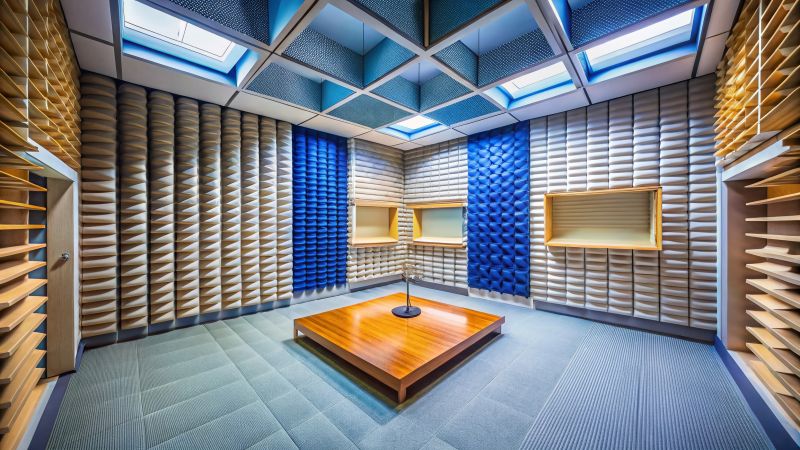
Reducing Noise Transmission
Basement soundproofing helps minimize noise transfer between floors and neighboring units.
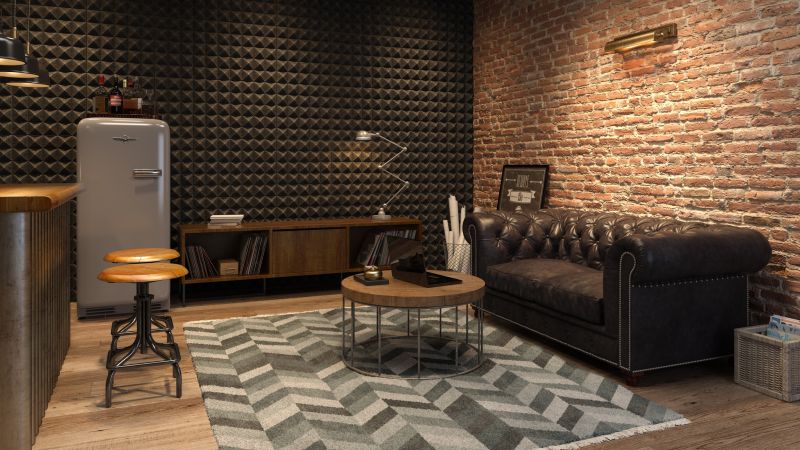
Enhancing Privacy And Comfort
Improving sound insulation creates a quieter, more private space for activities in boulder homes.
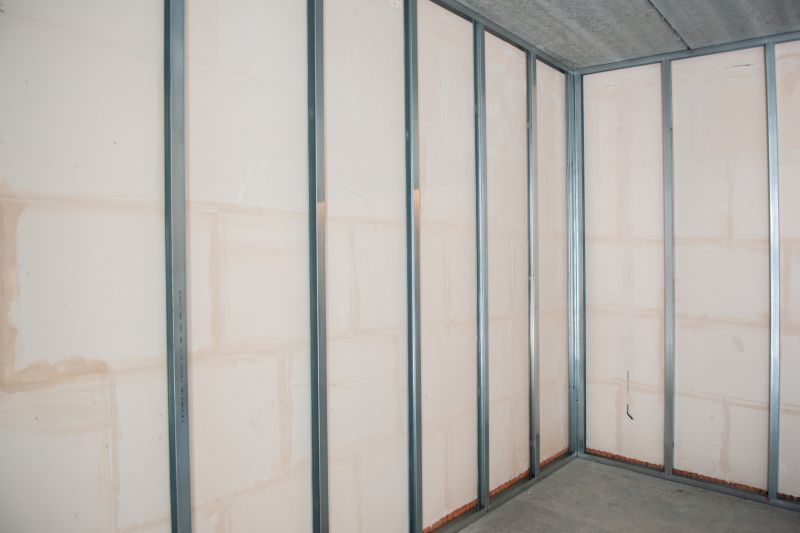
Improving Home Value
Soundproofing upgrades can boost the appeal and value of residential properties in the boulder area.
Basement Soundproofing in Boulder, CO

Basement soundproofing services focus on reducing noise transfer between the lower level of a home and the upper floors or neighboring spaces. This type of project typically involves installing sound barriers, insulation, or specialized drywall to minimize sound vibrations and improve overall quietness within the home. Homeowners often pursue basement soundproofing to create a more comfortable living environment, especially if the basement is used as a media room, home office, or recreational space where noise can be disruptive.
Before requesting basement soundproofing, property owners usually want to understand the specific sources of noise, the types of materials that will be used, and the areas that require treatment. It’s important to consider the existing construction and how best to enhance sound insulation without compromising the space’s functionality. Clear communication about goals and any structural considerations can help ensure the project meets expectations for quieter, more private basement areas.
Many property owners in Boulder, CO look into Basement Soundproofing for repairs, replacements, upgrades, and appearance-related improvements.
Common Basement Soundproofing Jobs
Basement soundproofing - reduces noise transfer between floors and rooms.
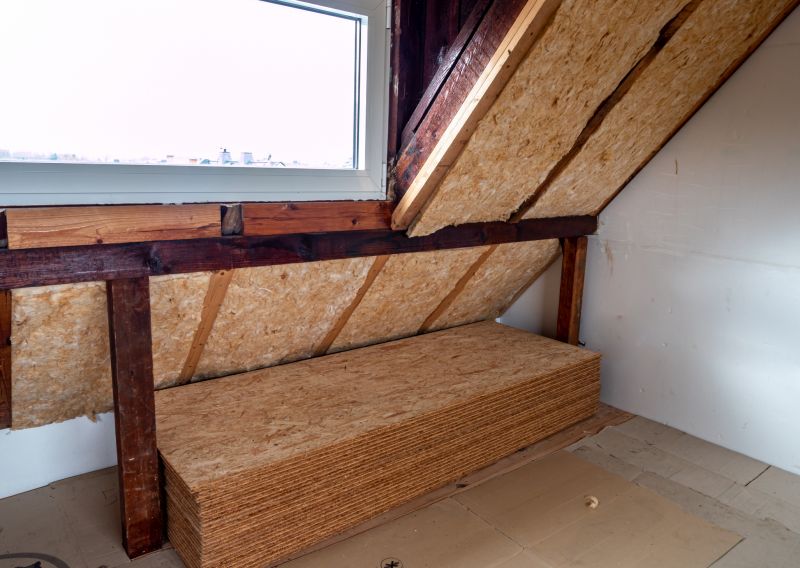
Wall insulation - dampens sound waves and minimizes vibrations.
Ceiling treatments - blocks sound from upper levels and neighboring units.
Floor soundproofing - prevents impact noise and footstep sounds.
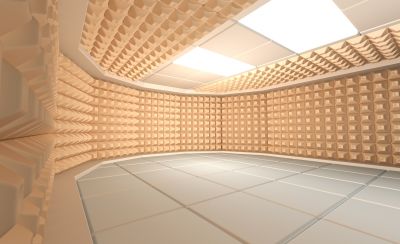
Acoustic panels - enhance room comfort by absorbing excess sound.
Vibration isolation - minimizes structural noise transmission through floors and walls.

Basement Soundproofing Questions
What is basement soundproofing? Basement soundproofing involves adding materials and techniques to reduce noise transfer between the basement and upper levels or neighboring units.
What types of noise can soundproofing help with? It can help minimize sounds such as footsteps, music, conversations, and appliances from traveling through basement walls and floors.
Are there specific areas to focus on in basement soundproofing? Common focus areas include walls, ceilings, and floors to effectively block sound transmission throughout the space.
How does soundproofing improve a basement space? It creates a quieter environment, making the basement more comfortable for activities, work, or relaxation without disturbing other areas.
Request Basement Soundproofing in Boulder, CO
Use the quote form on this page to share the basics of your project and request more information for the type of work you need.